
Introduction
Link building strategies play a major role in modern search engine optimization. Every website owner wants better rankings, more traffic, and stronger authority in search results. However, achieving those goals requires more than publishing content regularly. Websites also need trust, relevance, and recognition from other websites. This is where link building becomes important.
A strong backlink profile tells search engines that your website provides useful and valuable information. When trusted websites link to your content, search engines consider your pages more reliable. As a result, your rankings may improve over time. Effective link building strategies can help businesses, bloggers, and online stores attract targeted visitors and strengthen their online presence.
Beginners often think link building is difficult or risky. In reality, successful link building is about creating valuable content, building relationships, and using smart outreach methods. Search engines reward websites that earn natural and high quality links instead of using spammy shortcuts.
What is Link Building Strategies?
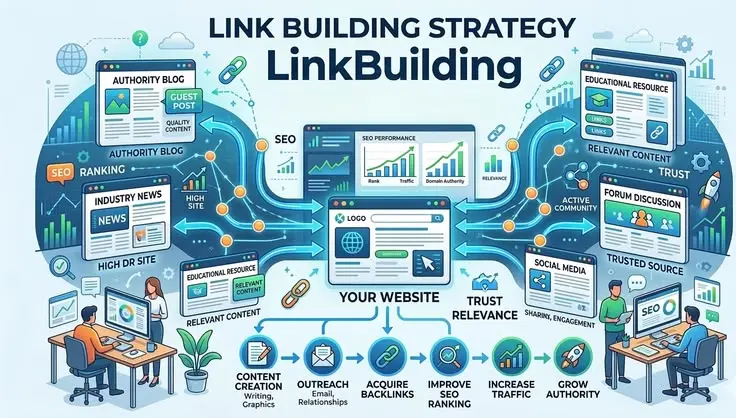
Link building strategies are techniques used to get backlinks from other websites to your own website. A backlink is simply a clickable link from one site to another. Search engines use backlinks as ranking signals because they show trust, popularity, and relevance.
For example, if a respected marketing blog links to your article about SEO, search engines may see your content as valuable. The more quality backlinks you earn, the stronger your website authority can become.
There are different types of backlinks:
- Natural backlinks earned through valuable content
- Manual backlinks gained through outreach
- Editorial backlinks added by publishers
- Guest post backlinks from contributed articles
- Resource page backlinks from useful lists
Good link building strategies focus on quality rather than quantity. A few links from trusted websites are usually more valuable than hundreds of low quality links.
Search engines also evaluate relevance. A backlink from a website in your niche carries more value than a random unrelated website. Because of this, smart SEO professionals focus on earning links from relevant and authoritative sources.
Why is Link Building Strategies Important?
Link building strategies are important because backlinks remain one of the strongest ranking factors in SEO. Search engines use links to discover new pages and understand website authority.
Here are some reasons why link building matters:
Improves Search Rankings
High quality backlinks help websites rank higher for competitive keywords. Pages with strong backlinks often appear near the top of search engine results.
Increases Organic Traffic
Better rankings usually lead to more visitors. Quality backlinks can also bring direct referral traffic from other websites.
Builds Website Authority
When trusted websites link to your content, your domain gains credibility and authority in your niche.
Faster Indexing
Search engines crawl linked pages more quickly. Strong backlinks help new pages get indexed faster.
Creates Brand Awareness
Link building strategies can expose your business to larger audiences. Readers may discover your website through guest posts, mentions, or industry resources.
Supports Long Term Growth
Unlike paid advertising, quality backlinks can continue driving traffic and rankings for years.
Without effective link building strategies, even excellent content may struggle to compete in crowded search results.
Detailed Step-by-Step Guide
Step 1: Create High Quality Content
Content is the foundation of successful link building strategies. Websites only link to pages that provide value to readers.
Focus on creating:
- Detailed guides
- Original research
- Helpful tutorials
- Infographics
- Statistics articles
- Case studies
- Industry reports
Useful and unique content naturally attracts backlinks over time.
Step 2: Understand Your Target Audience
Before building links, identify who your audience is and what type of content they prefer.
Ask questions such as:
- What problems are they facing?
- Which websites do they visit?
- What topics interest them most?
- Which keywords are important in your niche?
Audience research helps you create link worthy content and target relevant websites.
Step 3: Research Competitor Backlinks
Competitor analysis is one of the best link building strategies for beginners.
Study websites ranking higher than yours and identify where their backlinks come from. This helps you discover:
- Guest posting opportunities
- Resource pages
- Industry directories
- Blog collaborations
- Broken link opportunities
You can then approach similar websites with better or updated content.
Step 4: Use Guest Posting
Guest posting remains one of the most effective link building strategies when done correctly.
Write high quality articles for reputable websites in your niche. In return, you usually receive a backlink to your website.
To succeed with guest posting:
- Target relevant websites
- Pitch useful article ideas
- Write valuable content
- Avoid promotional language
- Follow website guidelines carefully
Guest posting not only improves SEO but also builds authority and industry relationships.
Step 5: Build Relationships
Networking is an important part of link building.
Connect with bloggers, influencers, and website owners through:
- Social media engagement
- Email outreach
- Industry communities
- Online forums
- Professional groups
Strong relationships often lead to natural backlinks, collaborations, and brand mentions.
Step 6: Use Broken Link Building
Broken link building is a smart method where you find broken links on websites and suggest your content as a replacement.
This strategy benefits both sides:
- Website owners fix outdated links
- You gain a valuable backlink
To use this method:
- Find relevant pages with broken links
- Create or identify replacement content
- Contact the website owner politely
- Explain the broken link issue
- Recommend your page as an alternative
Many website owners appreciate helpful suggestions.
Step 7: Submit to Resource Pages
Many websites maintain resource pages that list helpful tools, articles, or guides.
If your content provides value, you can request inclusion on these pages.
Resource page backlinks are often:
- Relevant
- Authoritative
- Long lasting
- Valuable for SEO
Always ensure your content genuinely helps the audience.
Step 8: Create Shareable Visual Content
Visual content attracts attention and increases sharing potential.
Popular visual formats include:
- Infographics
- Charts
- Comparison tables
- Step by step graphics
- Data visualizations
Many websites link to useful visuals when explaining topics.
Step 9: Publish Original Research
Unique research and statistics are powerful assets for link building strategies.
Writers and bloggers frequently cite original data in their articles. This can generate natural backlinks over time.
Examples include:
- Surveys
- Industry trends
- Market reports
- Customer studies
- Performance experiments
Original information increases credibility and encourages citations.
Step 10: Use Internal Linking
Internal links connect pages within your own website.
Although internal links are different from backlinks, they help:
- Improve website structure
- Distribute authority
- Increase page views
- Support SEO performance
Strong internal linking strengthens overall optimization.
Step 11: Monitor Your Backlinks
Regular backlink monitoring helps maintain a healthy link profile.
Track:
- New backlinks
- Lost backlinks
- Toxic links
- Referral traffic
- Anchor text distribution
Monitoring allows you to identify issues before they affect rankings.
Step 12: Focus on Relevance and Quality
The best link building strategies prioritize quality over volume.
Avoid spammy websites and focus on:
- Relevant niches
- Trusted domains
- Real traffic websites
- Genuine editorial links
- Natural anchor text
Search engines reward authentic link building practices.
Benefits of Link Building Strategies
Effective link building strategies provide many SEO and marketing advantages.
- Improves search engine rankings
- Increases website authority
- Generates targeted referral traffic
- Builds online credibility
- Expands brand visibility
- Helps pages get indexed faster
- Supports long term SEO growth
- Creates networking opportunities
- Enhances content exposure
- Improves audience trust
- Strengthens digital marketing efforts
- Increases potential leads and sales
A strong backlink profile can become a long term business asset.
Disadvantages / Risks
Although link building strategies offer many benefits, there are also risks when methods are used incorrectly.
- Low quality backlinks can damage rankings
- Spammy practices may lead to penalties
- Poor outreach can harm reputation
- Buying links violates search engine guidelines
- Results often take time to appear
- Some backlinks may disappear later
- Competitive industries require more effort
- Irrelevant links provide little SEO value
- Excessive anchor optimization can look unnatural
The safest approach is to focus on ethical and user friendly link building methods.
Common Mistakes to Avoid
Many beginners make errors that reduce the effectiveness of their link building strategies.
Focusing Only on Quantity
Some people believe more backlinks automatically mean better rankings. However, low quality links can harm SEO performance.
Ignoring Content Quality
Weak content rarely earns backlinks naturally. Valuable content should always come first.
Using Spammy Tactics
Avoid automated tools, private blog networks, and suspicious link schemes.
Overusing Exact Match Anchor Text
Using the same keyword repeatedly in anchor text may appear manipulative.
Targeting Irrelevant Websites
Backlinks from unrelated websites provide limited value.
Sending Generic Outreach Emails
Personalized outreach performs better than mass copied messages.
Expecting Instant Results
Link building strategies require patience and consistency.
Forgetting Relationship Building
Strong industry relationships often create long term backlink opportunities.
Neglecting Mobile Friendly Content
Websites prefer linking to pages that offer good user experiences.
Ignoring Backlink Monitoring
Failing to monitor backlinks can allow harmful links to affect SEO.
Avoiding these mistakes can improve long term results and protect website authority.
FAQs
What are the best link building strategies for beginners?
Beginners should focus on guest posting, resource page outreach, high quality content creation, and relationship building. These methods are safe, effective, and suitable for long term SEO growth.
How long does link building take to show results?
Results vary depending on competition, website authority, and backlink quality. In most cases, noticeable improvements may take several weeks or months.
Are paid backlinks safe?
Buying backlinks can violate search engine guidelines. Low quality paid links may lead to ranking penalties. It is safer to earn natural and relevant backlinks.
How many backlinks does a website need?
There is no fixed number. Quality matters more than quantity. A few strong backlinks from trusted websites can outperform many weak links.
Can link building improve website traffic?
Yes. Link building strategies can increase both search engine traffic and referral traffic from external websites.
What makes a backlink high quality?
A high quality backlink usually comes from a trusted, relevant, and authoritative website with real traffic and useful content.
Is guest posting still effective?
Yes. Guest posting remains effective when articles are original, helpful, and published on relevant websites.
What are toxic backlinks?
Toxic backlinks are harmful links from spammy or low quality websites. These links may negatively affect SEO performance.
Expert Tips & Bonus Points
Successful link building strategies require planning, consistency, and patience. The following expert tips can improve your results.
Focus on Evergreen Content
Evergreen articles remain useful for long periods and continue attracting backlinks over time.
Update Old Content Regularly
Refreshing outdated articles can improve rankings and encourage new backlinks.
Use Data and Statistics
People often link to content that contains original research and accurate statistics.
Improve Outreach Emails
Keep outreach emails short, personalized, and professional. Explain why your content provides value.
Build Brand Authority
Strong branding increases trust and encourages more websites to reference your content.
Diversify Your Backlink Sources
Avoid relying on one type of backlink. Combine guest posts, resource pages, mentions, and editorial links.
Prioritize User Experience
Fast loading pages, mobile optimization, and clear formatting improve engagement and link potential.
Create Content Around Trending Topics
Timely articles can attract attention and generate backlinks quickly.
Be Consistent
Link building strategies work best when performed consistently over time.
Analyze Competitor Success
Study top competitors to identify content ideas and backlink opportunities.
Use Social Media Promotion
Sharing content on social platforms increases visibility and backlink opportunities.
Track SEO Performance
Monitor rankings, traffic, and backlink growth to understand which strategies perform best.
Conclusion
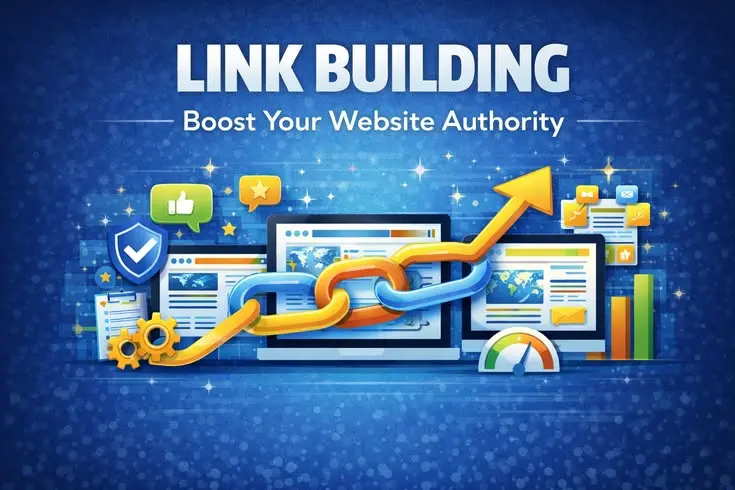
Link building strategies remain one of the most important parts of search engine optimization. High quality backlinks help websites improve rankings, increase traffic, build authority, and strengthen online visibility. However, successful link building is not about shortcuts or spammy techniques. It requires valuable content, smart outreach, strong relationships, and consistent effort.
Beginners should focus on ethical methods such as guest posting, broken link building, resource page outreach, and publishing useful content. These strategies provide long term benefits while protecting websites from search engine penalties. At the same time, website owners should avoid low quality backlinks, irrelevant websites, and manipulative tactics.
By applying the techniques explained in this guide, you can develop effective link building strategies that support sustainable online growth. Patience, consistency, and quality should always remain your top priorities. Over time, strong backlinks can improve search visibility, attract targeted audiences, and help your website achieve lasting success in competitive search results.