

Introduction
Technology is evolving faster than ever before, and it is transforming the way humans live, work, and communicate. From artificial intelligence to advanced robotics, every year brings new innovations that reshape industries and daily life. Understanding future technology trends is no longer optional; it has become essential for students, professionals, and businesses who want to stay relevant in a competitive world.
In the coming years, we will see massive changes in automation, healthcare, transportation, and digital communication. These changes are driven by data, connectivity, and smart systems that continuously learn and improve. As a result, future technology trends will not only enhance convenience but also redefine entire industries.
Many beginners feel overwhelmed when they hear about advanced technologies like quantum computing or AI-driven systems. However, these concepts are becoming more user-friendly and widely accessible. This article will break down everything in a simple and practical way so you can clearly understand where the world is heading.
What is Future Technology Trends?
Future technology trends refer to the emerging innovations, tools, and systems that are expected to dominate the global landscape in the coming years. These trends highlight how technology is evolving and what changes we can expect in different sectors such as healthcare, education, finance, and communication.
In simple terms, future technology trends are predictions based on current developments in science and engineering. They show us how artificial intelligence, machine learning, automation, blockchain, and other advanced systems will shape the future.
These trends are not random ideas; they are based on ongoing research, market demands, and technological progress. For example, the rise of smart devices and cloud computing already indicates how connected systems will become more powerful and intelligent in the future.
Understanding future technology trends helps individuals and businesses prepare for upcoming changes. It allows companies to invest in the right technologies and helps individuals develop relevant skills for future job markets.
Why is Future Technology Trends Important?
Future technology trends are important because they define the direction of innovation and progress in society. Without understanding these trends, individuals and organizations may struggle to keep up with rapid changes.
One of the main reasons these trends matter is their impact on employment. Many traditional jobs are being replaced by automation, while new careers are emerging in fields like AI development, cybersecurity, and data science.
Another important factor is business growth. Companies that adopt future technology trends early often gain a competitive advantage. They can improve efficiency, reduce costs, and offer better services to customers.
Education is also being transformed. Digital learning platforms, virtual classrooms, and AI-based tutoring systems are changing how students learn and interact with knowledge.
Moreover, healthcare is becoming more advanced with technologies like wearable devices, remote monitoring, and AI-based diagnostics. These innovations improve patient care and save lives.
Detailed Step-by-Step Guide
Understanding Emerging Technologies
The first step is to identify the key technologies driving change. These include artificial intelligence, blockchain, Internet of Things, quantum computing, and 5G networks. Each of these plays a unique role in shaping the future.
Learning Digital Skills
To stay relevant, individuals must develop digital skills. This includes coding, data analysis, digital marketing, and cybersecurity basics. These skills are essential for adapting to future technology trends.
Following Industry Updates
Keeping up with tech news, research papers, and innovation reports helps you stay informed. This allows you to understand how future technology trends are evolving in real time.
Adopting Smart Tools
Businesses and individuals should start using smart tools such as automation software, cloud platforms, and AI-powered applications. These tools increase productivity and efficiency.
Preparing for Career Changes
Many jobs will change due to automation. It is important to continuously upgrade your skills and be ready to shift into new roles that align with future technology trends.
Benefits of Future Technology Trends
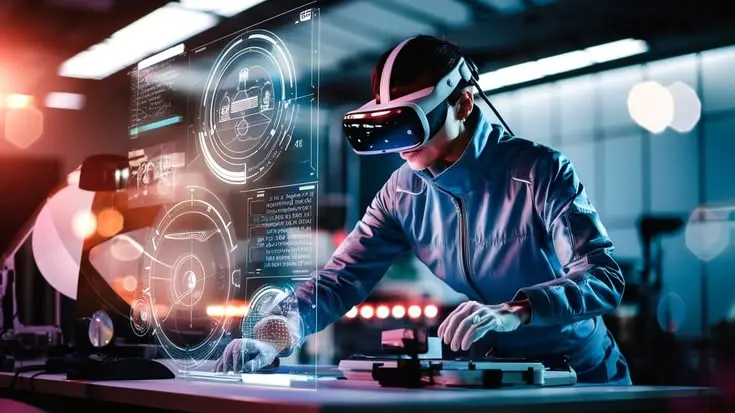
- Improved efficiency in business operations and daily life
- Faster communication through advanced digital systems
- Better healthcare solutions with smart diagnostics
- Increased job opportunities in new technology sectors
- Enhanced learning experiences through digital education
- Greater innovation in industries like transportation and finance
- Automation of repetitive tasks, saving time and effort
- Improved global connectivity and collaboration
Disadvantages / Risks
- Job displacement due to automation
- Increased dependency on machines and AI systems
- Cybersecurity threats and data privacy concerns
- High cost of implementing advanced technologies
- Digital divide between developed and developing regions
- Risk of misuse of artificial intelligence
- Over-reliance on technology in daily life
- Ethical concerns regarding data usage and surveillance
Common Mistakes to Avoid
One common mistake is ignoring continuous learning. Technology evolves quickly, and staying updated is essential. Another mistake is resisting change. Many individuals avoid new tools due to fear, which limits their growth.
Businesses often make the mistake of delaying digital transformation. This can result in losing competitiveness in the market.
Another issue is poor cybersecurity practices. As future technology trends become more data-driven, protecting information becomes critical.
Lastly, over-dependence on a single technology can be risky. Diversifying tools and strategies ensures stability and long-term success.
FAQs
1. What are future technology trends in simple words?
Future technology trends are upcoming innovations and technologies that will shape how we live and work in the future. They include AI, automation, and smart devices that improve daily life and business operations.
2. How do future technology trends affect jobs?
They create new job opportunities in fields like AI, data science, and cybersecurity while reducing demand for some traditional roles due to automation and machine learning systems.
3. Why should students learn about future technology trends?
Students should learn about them to prepare for future careers, develop relevant skills, and understand how technology will impact different industries and opportunities.
4. What industries are most affected by future technology trends?
Industries like healthcare, finance, education, transportation, and manufacturing are highly influenced by these trends due to automation and digital transformation.
5. Can future technology trends improve daily life?
Yes, they make daily life easier through smart homes, digital assistants, online services, and faster communication tools that save time and effort.
6. Are future technology trends safe for society?
They are generally beneficial, but they also come with risks such as privacy concerns and cybersecurity threats. Proper regulation and awareness are necessary.
Expert Tips & Bonus Points
Always stay updated with the latest technological developments by reading trusted sources and practicing new tools. Focus on learning skills that are in demand, such as programming and data analysis.
Try to experiment with new technologies instead of avoiding them. Hands-on experience is the best way to understand future technology trends deeply.
Networking with professionals in the tech industry can also help you gain insights and career opportunities.
Conclusion
Future technology trends are shaping a world that is more connected, intelligent, and automated than ever before. From artificial intelligence to smart systems, these innovations are transforming how we live, work, and communicate.
Understanding these trends is essential for anyone who wants to succeed in the modern digital era. They not only influence businesses and industries but also impact education, healthcare, and everyday life.
As we move forward, adaptability will become one of the most important skills. People who learn and grow with technology will have better opportunities and a stronger future.