
Introduction
PPC advertising is one of the fastest and most effective ways to drive targeted traffic to a website, generate leads, and increase sales. Whether you are a beginner or have some experience in digital marketing, understanding PPC advertising tips can significantly improve your campaign performance. Many businesses struggle with wasted ad spend, low click-through rates, and poor conversions simply because they do not follow the right strategies. PPC, or pay-per-click advertising, allows advertisers to pay only when someone clicks on their ad, making it a highly measurable and controllable marketing method. However, success in PPC is not guaranteed without proper planning and optimization.
In today’s competitive digital landscape, platforms like Google Ads, Bing Ads, and social media advertising networks require a smart approach. You need to understand keyword targeting, audience segmentation, bidding strategies, and ad copy optimization. With the right PPC advertising tips, you can reduce cost per click, increase quality score, and maximize return on investment. This article will guide you step-by-step through everything you need to know about PPC advertising, from basics to advanced strategies. By the end, you will be able to build high-performing campaigns that deliver consistent results and long-term growth for your business.
What is PPC Advertising?
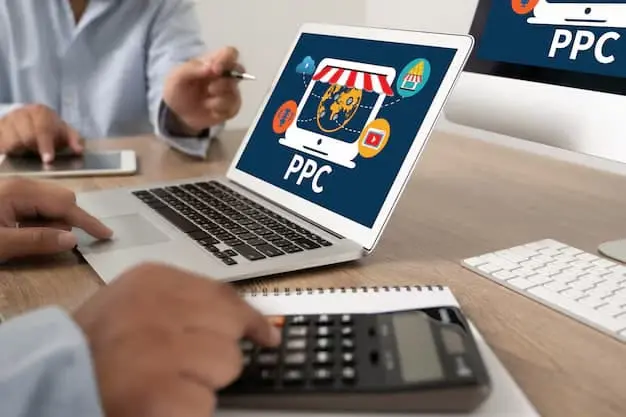
PPC advertising, or pay-per-click advertising, is a digital marketing model where advertisers pay a fee each time their ad is clicked. Instead of earning traffic organically, businesses buy visits to their website through paid ads. The most common platform for PPC advertising is search engines like Google, where ads appear above organic search results based on keywords.
In PPC campaigns, advertisers bid on specific keywords relevant to their products or services. When a user searches for those keywords, the search engine runs an auction to decide which ads will appear and in what order. The position of the ad depends on factors such as bid amount, ad quality, and relevance.
PPC advertising is widely used because it delivers immediate visibility. Unlike SEO, which takes time to show results, PPC can generate traffic instantly. However, without proper optimization, costs can increase quickly. That is why applying effective PPC advertising tips is essential for success.
Why is PPC Advertising Important?
PPC advertising is important because it allows businesses to reach their target audience quickly and efficiently. It provides instant visibility on search engines and social platforms, helping brands attract potential customers at the right time.
One major advantage is control over budget. You can set daily or monthly limits, ensuring you never overspend. Another key benefit is precise targeting. Advertisers can target users based on location, age, interests, device type, and search behavior. This ensures ads are shown only to relevant audiences.
PPC also offers measurable results. You can track impressions, clicks, conversions, and return on investment in real time. This makes it easier to optimize campaigns and improve performance continuously.
For businesses looking to grow fast, PPC is one of the most powerful digital marketing tools. When combined with strong PPC advertising tips and strategies, it can significantly boost sales, leads, and brand awareness.
Detailed Step-by-Step Guide
Step 1: Keyword Research
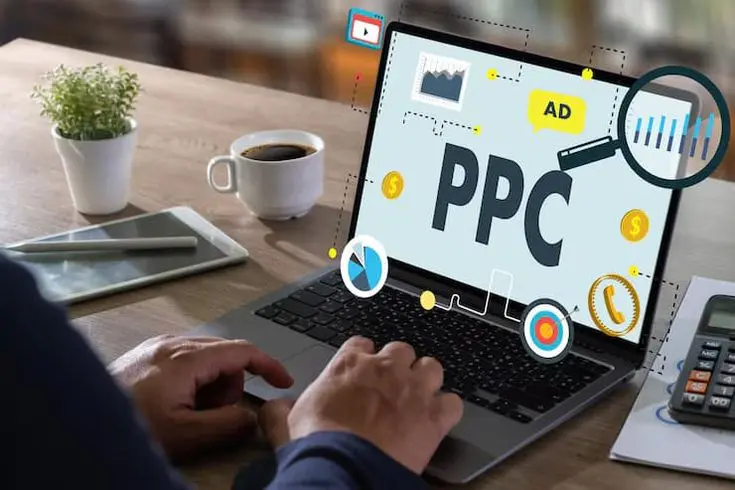
Keyword research is the foundation of every successful PPC campaign. Start by identifying keywords that your target audience is searching for. Use a mix of short-tail and long-tail keywords for better reach and lower competition. Focus on intent-based keywords that show buying interest.
Avoid targeting overly broad keywords, as they can drain your budget quickly. Instead, choose specific keywords that match your product or service closely. Organize keywords into tightly themed ad groups for better relevance and quality score improvement.
Step 2: Create High-Quality Ads
Your ad copy plays a major role in attracting clicks. Write clear, compelling headlines that include your main keyword. Highlight benefits rather than just features. Use strong calls-to-action such as “Buy Now,” “Get a Free Quote,” or “Sign Up Today.”
Make sure your ad aligns with user intent. If someone searches for a solution, your ad should directly address that problem. Testing multiple ad variations is one of the most effective PPC advertising tips for improving performance.
Step 3: Optimize Landing Pages
A good PPC campaign does not stop at the ad. Your landing page must deliver what the ad promises. Ensure fast loading speed, mobile responsiveness, and clear messaging.
Keep your landing page simple and focused on one goal, such as sign-ups or purchases. Remove unnecessary distractions and use strong headlines, images, and trust signals like reviews or testimonials.
Step 4: Set Smart Bidding Strategies
Bidding is crucial in PPC advertising. You can choose manual bidding or automated bidding strategies depending on your experience level. Start with manual bidding to control costs, then move to automated strategies once you have enough data.
Monitor your cost per click and adjust bids based on performance. Increase bids for high-performing keywords and reduce spending on underperforming ones.
Step 5: Audience Targeting
Advanced targeting is one of the most powerful PPC advertising tips. Use demographic targeting, geographic targeting, and interest-based targeting to refine your audience.
You can also use remarketing campaigns to target users who previously visited your website. These users are more likely to convert, making remarketing highly cost-effective.
Step 6: Monitor and Optimize Campaigns
Continuous optimization is key to PPC success. Regularly analyze performance metrics such as click-through rate, conversion rate, and cost per conversion.
Pause underperforming ads and scale successful ones. A/B testing is essential for improving ad copy, landing pages, and targeting strategies.
Benefits of PPC Advertising
- Instant traffic generation to your website
- Highly targeted audience reach
- Full control over budget and spending
- Measurable and trackable performance
- Fast results compared to SEO
- Increased brand visibility
- Ability to test marketing strategies quickly
Disadvantages / Risks
- Can become expensive without proper management
- Requires continuous monitoring and optimization
- High competition for popular keywords
- Learning curve for beginners
- Risk of click fraud in some cases
- Poor targeting can waste budget quickly
Common Mistakes to Avoid
One common mistake is targeting too broad keywords, which leads to irrelevant traffic and wasted money. Another mistake is ignoring landing page optimization. Even if your ads perform well, a poor landing page will reduce conversions.
Many beginners also fail to track conversions properly, making it difficult to measure success. Not testing different ad variations is another missed opportunity. Relying on a single ad version limits performance improvement.
Overbidding on keywords without analyzing ROI is also a common issue. Always focus on profitability, not just traffic volume.
FAQs
1. What is PPC advertising used for?
PPC advertising is used to drive targeted traffic, generate leads, and increase sales by paying for ad clicks on search engines and social platforms.
2. How does PPC advertising work?
Advertisers bid on keywords, and when users search those keywords, ads appear. Payment is made only when someone clicks the ad.
3. Is PPC better than SEO?
PPC provides faster results, while SEO is long-term. Both are effective and work best when used together.
4. How much does PPC advertising cost?
Costs vary depending on competition, keywords, and industry. You can set daily budgets to control spending.
5. What is a good click-through rate in PPC?
A good CTR depends on industry, but generally 2%–5% is considered strong for search ads.
6. Can beginners run PPC campaigns?
Yes, beginners can run PPC campaigns, but they should start small, learn optimization techniques, and follow proven PPC advertising tips.
Expert Tips & Bonus Points
Focus on long-tail keywords because they often have lower competition and higher conversion rates. Use negative keywords to filter irrelevant traffic and save budget.
Improve your Quality Score by writing relevant ads and optimizing landing pages. This helps reduce cost per click.
Always test different ad copies and continuously refine your campaigns. Data-driven decisions lead to better results.
Use remarketing campaigns to re-engage users who did not convert on the first visit. This significantly increases ROI.
Conclusion
PPC advertising is one of the most powerful digital marketing strategies for businesses that want fast and measurable results. However, success does not come from simply running ads. It requires careful planning, continuous optimization, and the right PPC advertising tips. From keyword research to ad creation, landing page optimization, and audience targeting, every step plays an important role in campaign performance.
By applying the strategies discussed in this guide, you can reduce wasted ad spend, increase click-through rates, and improve conversions. PPC is not just about driving traffic; it is about driving the right traffic that converts into customers. Whether you are a beginner or an intermediate marketer, mastering PPC advertising will give you a strong competitive advantage in the digital world. With consistent effort and smart optimization, PPC can become a powerful growth engine for your business.